Sourcing quality Shoes Sneakers wholesale requires more than comparing factory prices. It requires evidence, repeatable checks, and patience. A glossy catalog can hide weak glue, uneven stitching, or unstable sizing. Quality becomes visible under pressure.
The World Footwear Yearbook 2024 reported approximately 22.4 billion pairs of footwear were produced globally in 2023. Asia supplied nearly 88% of that output, making supplier selection especially important. McKinsey’s Sporting Goods reports also show continuing consumer demand for performance, comfort, and credible product value. These figures describe opportunity, but they also reveal crowded competition. Many suppliers can offer similar silhouettes. Fewer can provide consistent materials, inspection records, and dependable replenishment.
Matt Powell, a veteran sports-industry analyst and former NPD advisor, has repeatedly described athletic footwear as “a fashion business with a performance component.” That observation matters when evaluating wholesale Shoes Sneakers. A fashionable upper may attract buyers, but a peeling sole can destroy trust after one week. Ask for material specifications, factory certifications, production samples, and independent inspection options. Compare the same size across several samples. Check the heel counter, toe-box shape, outsole bonding, odor, and carton protection. Keep photographs and written approvals before placing a larger order.
There is no perfect supplier. That is the uncomfortable part. Even experienced buyers can overvalue a low quotation or trust polished communication. A better process combines small trial orders, measurable acceptance standards, and honest post-delivery reviews. Quality sourcing is not a single purchase decision. It is a disciplined relationship built pair by pair.
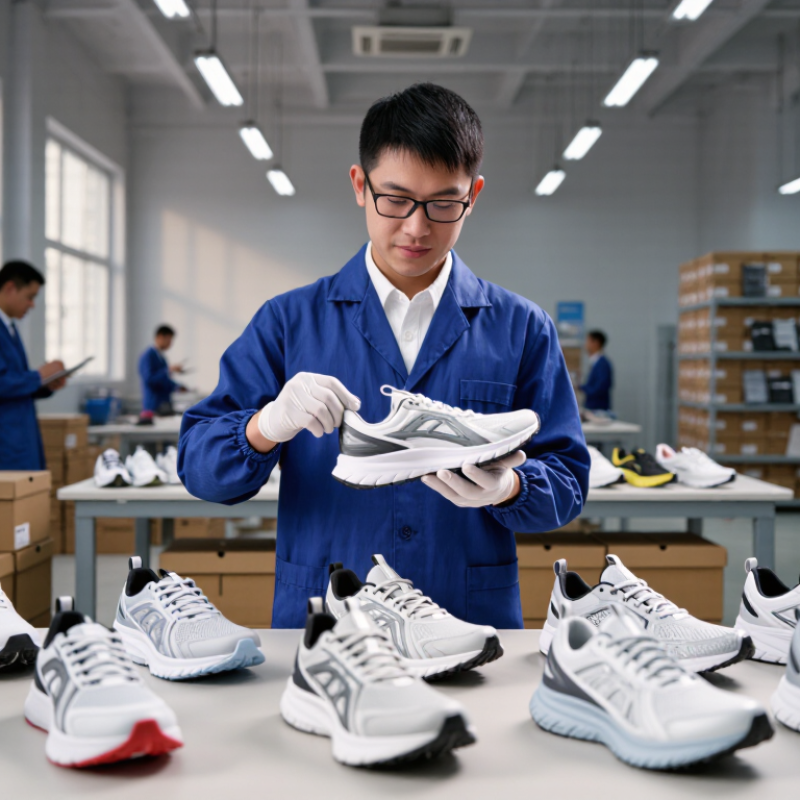
Before contacting factories, define exactly what your wholesale shoe program needs. Write down the shoe type, target customer, size range, materials, colors, and expected order volume. A casual sneaker for city commuters needs different cushioning and outsole grip from a lightweight training shoe. Describe the intended use with real details, such as eight-hour standing, rainy streets, or frequent packing. These details guide construction and help suppliers quote comparable products. Avoid vague requests like “good quality.” Keep it measurable.
Set clear quality requirements before requesting samples. Specify acceptable stitching length, upper thickness, sole hardness, adhesive finish, insole support, and packaging protection. Ask how each point will be checked during production. For example, request stitching photos, carton drop-test records, and a sample inspection sheet. Confirm tolerances for size, color, weight, and minor surface marks. A written standard prevents price discussions from replacing quality discussions. Some early specifications may be wrong. That is normal.
Plan commercial requirements too, including target landed cost, minimum order quantity, lead time, reorder speed, and sample approval steps. Include shipping terms and carton dimensions, because warehouse space affects the real cost. Request material declarations and basic production records where relevant. Compare at least three samples using the same checklist, rather than relying only on appearance. Record defects with measurements and clear photographs. My first checklist was too rigid; it ignored how different materials naturally age. Wear testing may reveal that pale soles show dirt faster than expected. Revise the requirements when evidence changes.
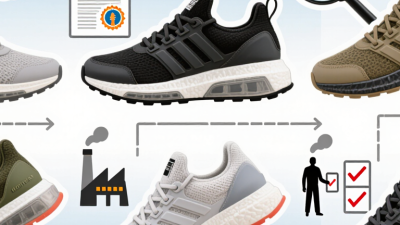
Researching wholesale sneaker suppliers requires more than comparing price lists. USD 152.18 billion in 2023 Grand View Research estimated the global athletic footwear market at USD 152.18 billion in 2023. It also projected a 5.3% annual growth rate from 2024 to 2030. This growth attracts capable factories and careless intermediaries. Verify both carefully.
Request material specifications, outsole composition, size charts, production capacity, and recent inspection records. Ask for physical samples before discussing large orders.
Examine stitching, glue marks, heel balance, carton strength, and odor.
I once focused too heavily on unit price. The hidden costs appeared later through rework and delayed shipping. That mistake still influences my supplier checklist.
Compare suppliers using the same worksheet. Record minimum order quantity, sample fees, production days, payment terms, packaging details, and defect allowances. The World Footwear Yearbook 2024 highlighted continued concentration in Asian footwear production. Regional expertise can help, but location alone proves nothing. Request factory videos, business documentation, and independent quality inspections. A supplier refusing basic evidence should be treated cautiously. Forecasts can also be wrong. Keep the first order manageable, even when the sample looks excellent.
How to Source Quality Shoes Sneakers Wholesale?
Quality verification should begin with a physical sample, not a supplier’s catalog image. I inspect the upper, lining, insole, outsole, stitching, and adhesive marks. Genuine leather should show consistent grain, while synthetic materials need clear composition details. I also bend each shoe repeatedly and check whether the sole separates. A strong chemical odor is a warning sign. Size consistency matters too. Measure several pairs from the same production batch.
Tips: Request material specifications, factory photographs, and recent quality-control records. Ask for test reports covering slip resistance, color transfer, abrasion, and harmful substances. Verify the laboratory and report dates. A certificate alone proves little. During production, use an independent inspection before shipment. Check carton labels, pair counts, packaging damage, and random shoe measurements.
Manufacturing standards should be confirmed through documented procedures, trained workers, and traceable inspections. Ask how defects are classified and what happens when a batch fails. A reliable factory should explain its process clearly. I once trusted a perfect sample and overlooked uneven stitching in bulk pairs. That mistake taught me to inspect production, not promises. Even experienced buyers can miss small flaws. Build quality checks into every order.
Verify product quality, materials, and manufacturing standards before placing a wholesale order.
This planning benchmark prioritizes the main areas buyers should verify: workmanship, material consistency, functional performance, and manufacturing compliance. The percentages are practical evaluation weights rather than legal certification requirements; exact specifications should be confirmed against the destination market and applicable footwear testing standards.
Sourcing quality sneakers wholesale starts with landed cost, not the factory quote. Add product price, packaging, inspection, duties, insurance, and inland delivery. The World Footwear Yearbook 2024 estimates global footwear production reached about 22.4 billion pairs in 2023. That scale creates price pressure, but low prices can hide weaker materials or inconsistent sizing. Request a sample pair, material specifications, outsole testing, and recent production photos. I have learned that a polished sample does not always represent the full shipment.
Minimum order quantities need careful negotiation. A supplier may quote 500 pairs, but require one color per size run. Ask for the exact size ratio, color split, reorder quantity, and sample fees in writing. Compare at least three quotations using the same specifications. A spreadsheet can still lie. Include defect allowances and replacement terms before paying a deposit. Industry purchasing teams often use pre-shipment inspections because visual checks alone miss bonding, stitching, and measurement problems.
Shipping terms can change the deal quickly. Compare EXW, FOB, and DDP quotes only after confirming responsibility for customs, documents, and final delivery. Request carton dimensions, gross weight, loading date, transit estimate, and delay procedures. The DHL Global Connectedness Report 2024 highlights continuing volatility in global logistics, so generous delivery promises deserve verification. Use a small trial order before scaling. It may feel slower, yet one delayed container can erase an attractive margin. Keep payment milestones linked to inspection approval and shipping documents.
How to Source Quality Shoes Sneakers Wholesale?
A sample order reveals more than a polished product photo. I usually request three to five pairs in different sizes and colors. This helps me check consistency across the production run. I inspect stitching, sole bonding, material texture, insole comfort, and carton protection. I also wear one pair for several hours. Small issues often appear after movement, not during a quick inspection.
Ask the supplier for written specifications before confirming samples. Include upper materials, sole thickness, size grading, packaging details, and expected lead time. Request clear photos of finished samples from several angles. Compare them with the approved specification sheet. Keep every change in writing. A reliable supplier should explain limitations honestly, rather than promise everything. That matters.
My first sample review was too generous. I focused on appearance and missed uneven stitching near the heel. That mistake taught me to use a repeatable checklist. Record defects with close-up photos and simple descriptions. Discuss reasonable corrections, sample charges, production capacity, and inspection arrangements early. Then place a small trial order before committing to larger quantities. A supplier partnership grows through evidence, not friendly messages alone.
Communication also needs structure. Set weekly update points for materials, production, and shipment readiness. Ask how they handle damaged pairs or size discrepancies. Their response shows practical reliability. Keep performance records after every order, including defect rates and delivery accuracy. Some suppliers may improve quickly after feedback, while others may not. Review the relationship honestly.
| Evaluation Area | Key Metric | Recommended Working Benchmark | Sample-Order Check | Partnership Evidence | Risk Signal |
|---|---|---|---|---|---|
| Product Consistency | Pair-to-pair defect rate | No more than 2 defective pairs in a 100-pair inspection lot | Inspect stitching, bonding, symmetry, sole attachment, and surface marks on every sample pair | Supplier provides a written quality-control checklist and corrective-action records | Repeated cosmetic or construction defects without a documented fix |
| Material Verification | Material match against specification | 100% match for upper material, lining, outsole compound, color, and thickness | Compare the physical sample with the approved specification sheet and material swatches | Supplier keeps material samples and confirms substitutions before production | Unapproved material changes or vague descriptions such as “similar quality” |
| Sizing Accuracy | Insole and last measurement tolerance | Keep measured length within approximately ±3 mm of the approved size chart | Measure at least one pair from each size included in the sample order | Supplier maintains a size chart with measurement points and tolerances | Size chart changes after approval or inconsistent grading between sizes |
| Sample Order Design | Sample coverage | Order 12–24 pairs covering core sizes, two colorways, and key construction details | Include common sizes, one larger size, one smaller size, and at least one darker color | Supplier accepts a structured trial order instead of pushing directly to a large volume | Supplier refuses samples or requires a large minimum order before verification |
| Wear Testing | Comfort and durability feedback | Complete a 7–14 day wear test covering walking, flexing, moisture exposure, and cleaning | Record heel stability, cushioning, odor, abrasion, peeling, and color transfer | Supplier reviews test results and agrees on measurable improvements | Supplier dismisses user feedback or treats durability problems as normal |
| Order Minimum | Minimum order quantity per style and color | Prefer 50–200 pairs per style or color for an initial commercial order | Confirm whether sample quantities can be credited toward the first bulk order | Supplier offers transparent volume tiers and does not alter minimums informally | Unclear minimums, hidden setup charges, or sudden quantity increases |
| Production Lead Time | Calendar days from approval to dispatch | Target 20–35 days for standard materials and 35–60 days for custom components | Ask for a production schedule with material, assembly, inspection, and dispatch milestones | Supplier reports delays before the agreed dispatch date and proposes recovery actions | Repeated missed dates or refusal to provide milestone updates |
| Communication Quality | Response time and documentation | Reply within one business day and provide complete quotations, specifications, and payment terms | Send the same technical questions to assess accuracy and consistency of answers | One designated contact manages approvals, changes, production, and after-sales issues | Contradictory quotations, delayed replies, or verbal-only agreements |
| Pre-Shipment Inspection | Inspection completion and acceptance criteria | Inspect before final balance payment using an agreed checklist and defect classification | Request random carton photos, size counts, measurements, and close-ups of critical areas | Supplier accepts independent inspection or provides verifiable internal inspection records | Supplier blocks inspection or demands full payment before goods are checked |
| Packaging and Labeling | Packaging compliance | 100% correct size, color, carton count, care label, barcode, and shipping mark information | Approve a packaging mock-up and verify carton dimensions and gross weight | Supplier stores approved artwork and uses a final packing checklist | Unapproved labels, missing size information, weak cartons, or incorrect carton counts |
| Defect Resolution | Response and replacement commitment | Acknowledge claims within 2 business days and agree on replacement, credit, or refund terms | Submit a hypothetical defect case and evaluate the supplier’s proposed solution | Supplier records root cause, corrective action, owner, and completion date | No written claim policy or refusal to accept responsibility for approved specifications |
| Supplier Score | Weighted evaluation result | Select suppliers scoring at least 80 out of 100 after sample, documentation, and communication review | Score quality 30%, communication 20%, delivery 20%, price 15%, flexibility 15% | Review the score after every order and require improvement plans below target | Low score hidden by an unusually low unit price |